








Peristaltic Pump for Electrolyte Analyzer
2025-08-22 00:15:40
Electrolytes are compounds that dissociate into charged ions in solution, commonly known as charged particles. In organisms, electrolytes play an important role in maintaining acid-base balance and water-electrolyte balance. The amount of electrolytes in the blood and urine is closely related to the health of the body. Therefore, accurate measurement of electrolyte levels is essential for diagnosing diseases, evaluating treatment effects, and scientific research.
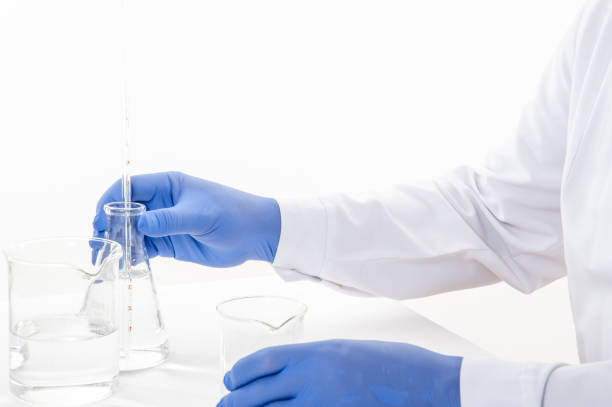
Electrolyte analysis is a method of measuring the electrolyte content in living organisms. This analysis technique is widely used in medicine, biochemistry, environmental monitoring, and other fields to detect electrolyte levels in blood, urine, sewage, and other samples. Through detecting electrolyte content, doctors or researchers can quickly judge a person's health status, providing strong support for the early diagnosis and treatment of disease.
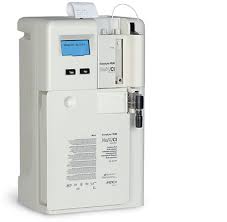
Electrolyte Analyser is a highly sophisticated instrument. It can quickly and accurately measure the electrolyte content of a sample. These instruments are commonly used in clinical laboratories in hospitals, scientific research institutes, and in specialized scenarios such as medical sites in remote areas and field environmental monitoring. Their applications cover a wide range of clinical tests and scientific research. Electrolyte analyzers are designed with sample accuracy, cleanliness, and stability in mind to ensure reliable analysis results. The following is the working principle:
Sampling and pre-processing: The first step in electrolyte analysis is to collect the required electrolyte information from the patient's blood or urine sample. The collected sample undergoes a pre-processing step to remove interfering substances and effectively separate the electrolytes from the reagents, ensuring that subsequent analyses are performed only on the desired electrolytes, reducing interference.
Reagent addition and reaction: The electrolyte analyzer automatically adds specific reagents to the sample, which react chemically with the target electrolytes. These reactions result in the transformation, coordination or precipitation of electrolyte ions, which generate specific chemical signals that become the basis for subsequent analyses.
Electrode Sensor Measurement: After the reagents have reacted with the electrolytes in the sample, the instrument is equipped with electrode sensors to measure the electrical signals generated by the electrolyte reactions in the sample. These sensors are different for different types of electrolytes, as each electrolyte has its own unique electrical properties.
Signal processing and calibration: The electrical signals measured by the electrode sensors are transmitted to the instrument's internal processing unit. Here the signal is amplified, filtered and calibrated to ensure the accuracy and stability of the measurement results. The instrument is also calibrated to adjust the measurement system to more accurately reflect the actual electrolyte content of the sample by pre-measuring a standard sample of known concentration.
Results display and recording: After complex calculations and calibration, the electrolyte analyzer displays the results digitally on the instrument screen. These results can be the concentration of ions such as sodium, potassium, and calcium in the blood, or the electrolyte levels of chlorine, ammonia, and calcium in the urine. At the same time, the instrument can record the results in its internal memory for subsequent analyses and comparisons.
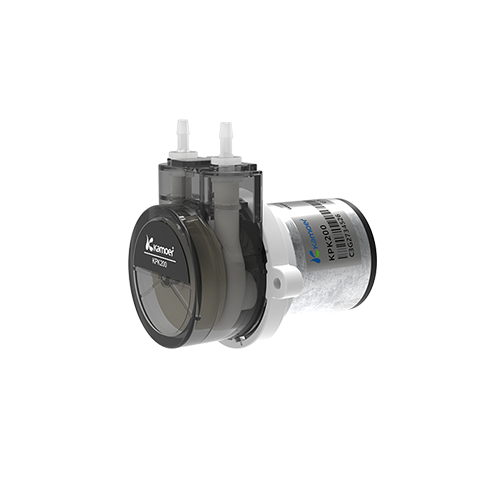
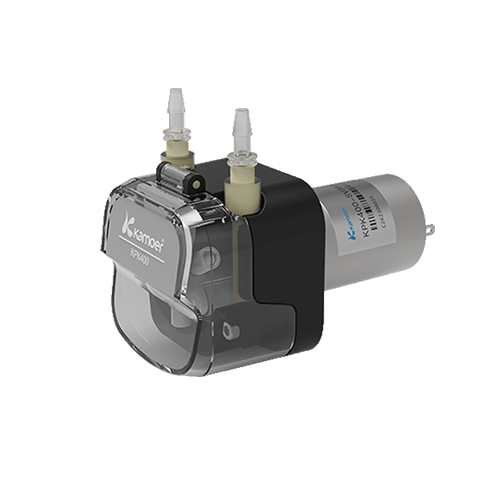
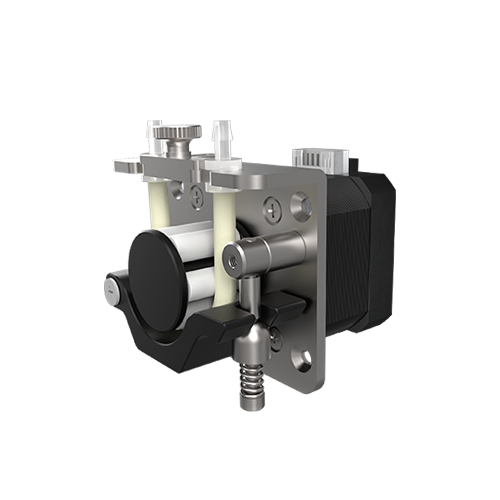
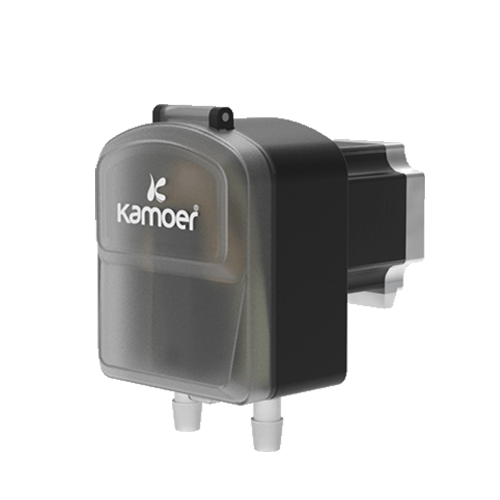
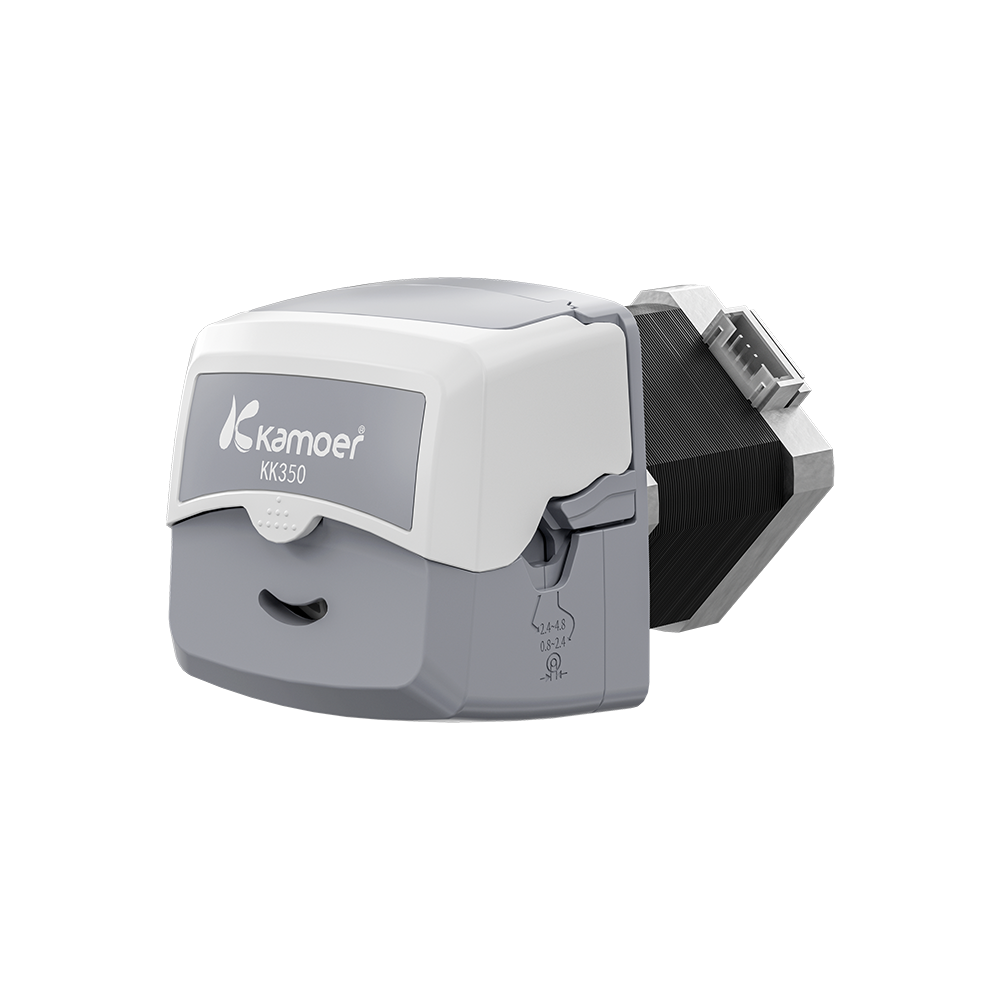
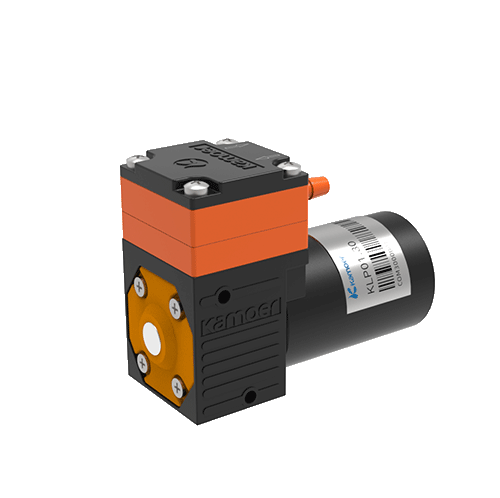
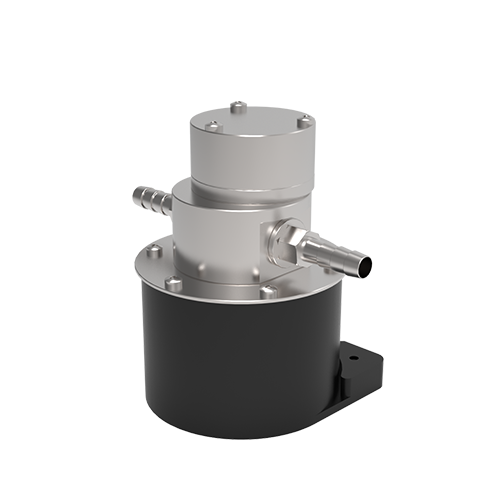
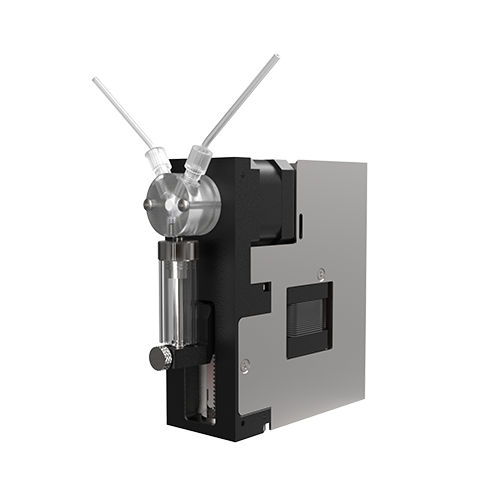
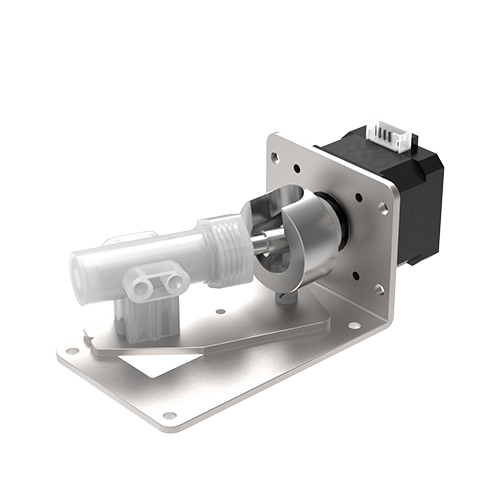
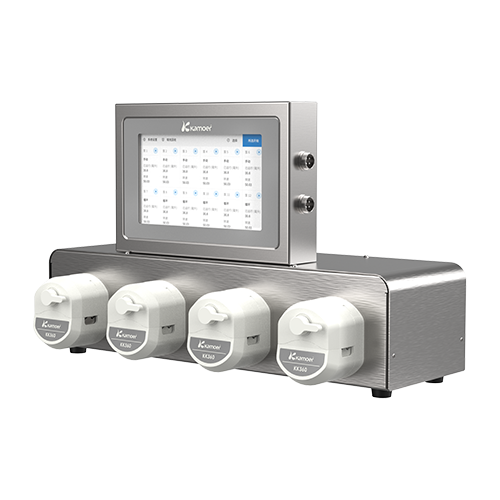
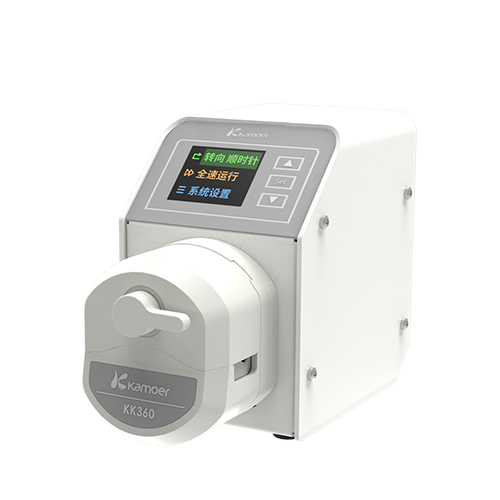
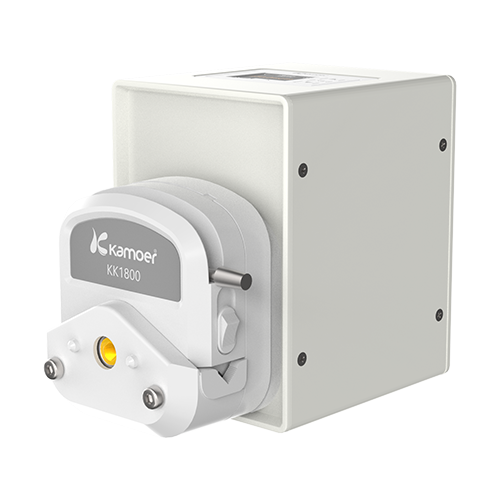
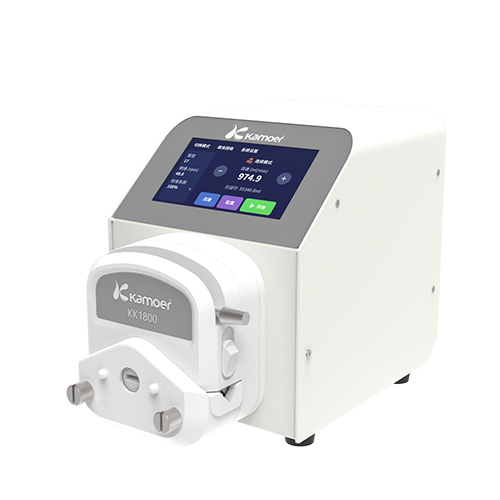
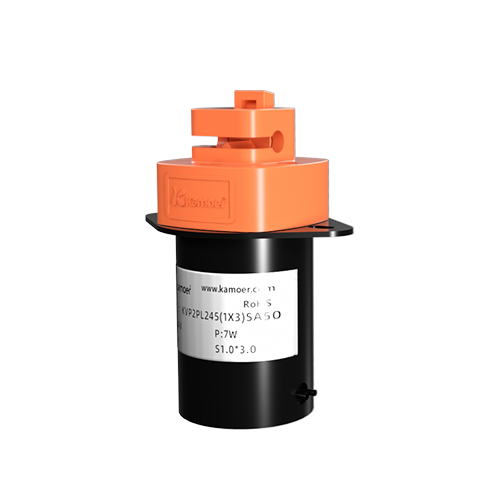
The Kamoer KAS peristaltic pump plays a crucial role in electrolyte analyzers. Its function is to drain the waste liquid. During electrolyte analysis, the instrument is constantly adding and reacting reagents, resulting in a sample that contains a large amount of waste liquid. These waste liquids need to be removed in a timely manner in order to maintain a clean analytical environment to avoid cross-contamination and errors. Kamoer KAS peristaltic pumps ensure the accuracy and stability of the analysis through the accurate control and operation of the waste liquid is discharged safely and efficiently.
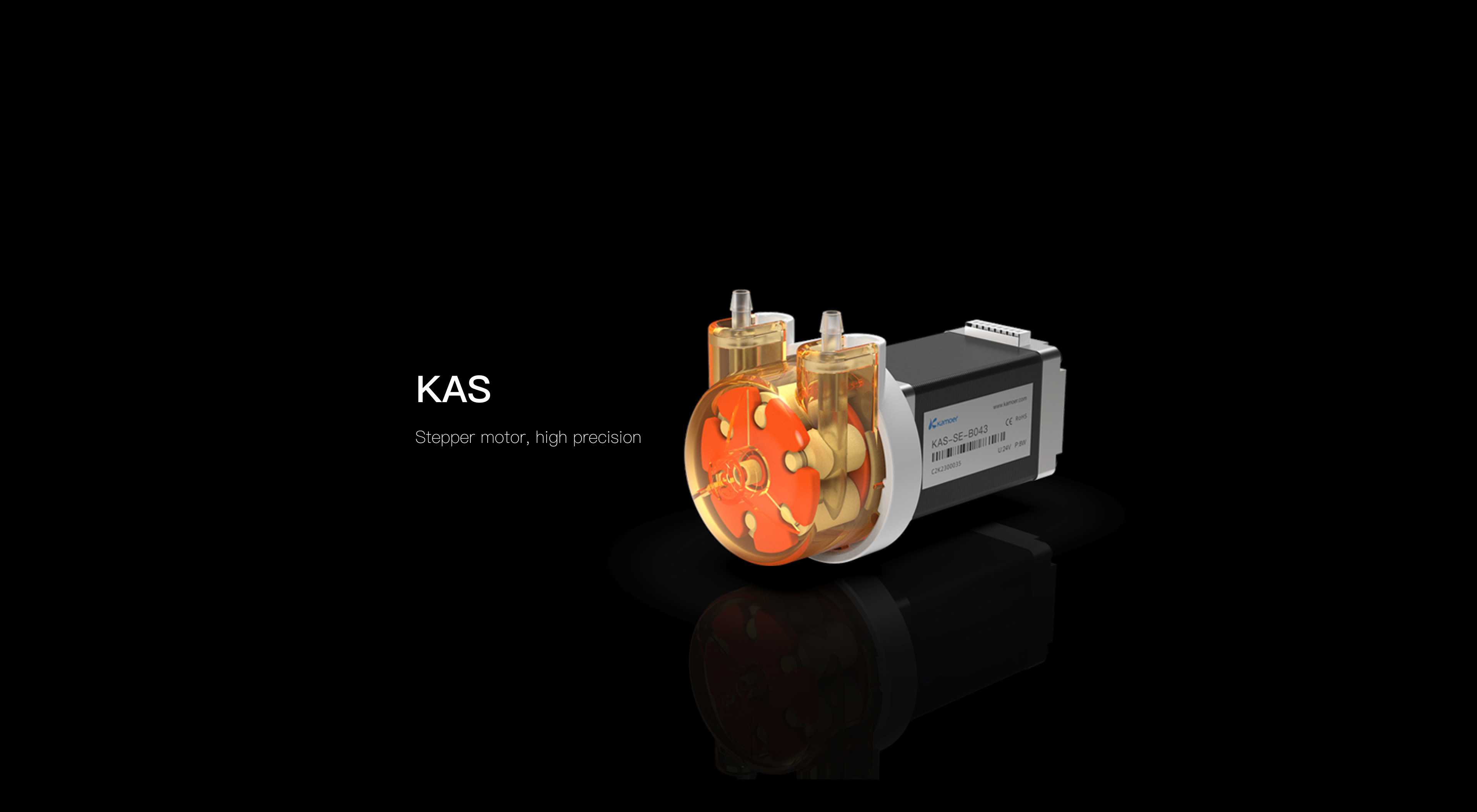
Kamoer KAS peristaltic pump features adjustable flow, precise transmission, and easy operation, enabling electrolyte analyzers to efficiently perform sample analysis, saving time and resources. Through this complex and sophisticated series of steps, the electrolyte analyzer can quickly and accurately measure the electrolyte content in a sample. This provides a great help for medical diagnosis and scientific research to better understand the electrolyte balance in the human body, so as to better maintain health and treat diseases. May the torch of science and technology always light the direction of our progress, let us look forward to the beautiful scene of science and technology in the future!