







Measurement analysis of total organic carbon
2024-11-03 22:37:12
Total organic carbon (TOC) is the total amount of all organic matter present in water, soil, wastewater, and other environmental samples. In areas such as environmental monitoring, water treatment, pharmaceutical, food, and beverage industries, accurate detection of TOC is critical.
In order to effectively detect and analyze TOC in samples, total organic carbon analysis instruments are widely used. These instruments provide fast, accurate, and reliable analysis results to help people assess water quality, conduct quality control, and implement environmental protection measures.
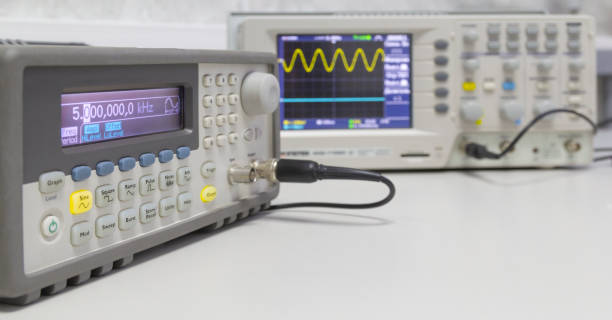
Total organic carbon detection method, including wet oxidation method, combustion method and ultraviolet oxidation method. Each method has its advantages and disadvantages, and it is the key to choosing the appropriate detection method according to the specific application scenario. The instrument is widely used in environmental monitoring, water treatment, pharmaceutical, food and beverage industry, and other fields.
Persulfate oxidation in a total organic carbon analyzer is a commonly used detection method that determines the total organic carbon content in a sample by oxidizing organic matter to convert it into carbon dioxide (CO2) and then measuring the amount of CO2. The following is a detailed explanation of the working principle and process of persulfate oxidation:
How it works:
Sample treatment: The sample first goes through pretreatment steps, such as pH adjustment, removal of particles, etc., to ensure the stability and consistency of the sample;
Oxidation reaction: The pre-treated sample is introduced into the total organic carbon analyzer to react with persulfates (e.g., high concentrations of ammonium persulfate). In the presence of the catalyst, persulfate oxidizes organic matter and converts organic matter to CO2.
CO2 detection: The CO2 produced after the oxidation reaction is collected and transmitted to the CO2 detection unit. Common CO2 detection methods include infrared light absorption or conductive detection. These methods can measure the amount of CO2 and thus determine the total organic carbon content in the sample.
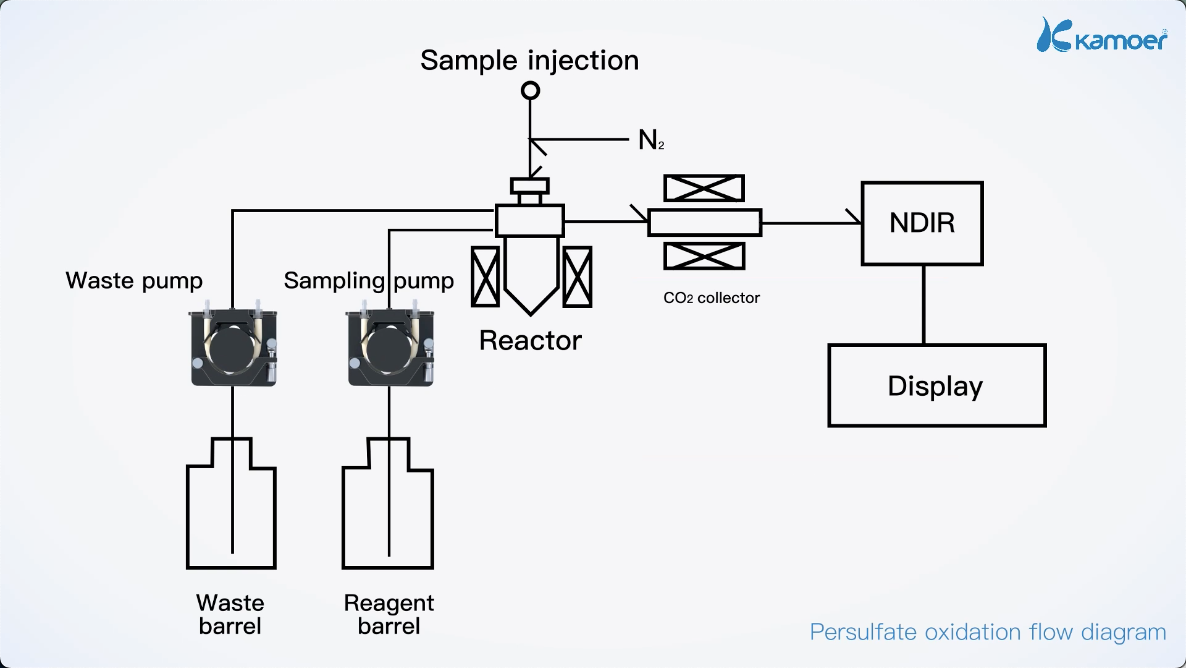
The persulfate oxidation method in the total organic carbon analyzer determines the total organic carbon content in a sample by oxidizing organic matter and measuring the resulting CO2. This method has the characteristics of high sensitivity, fast, and accuracy, and is widely used in environmental monitoring, water quality assessment, and industrial process control. By using the persulfate oxidation method, the total organic carbon content in the sample can be effectively measured, providing important data support and reference to achieve environmental protection and quality control goals.
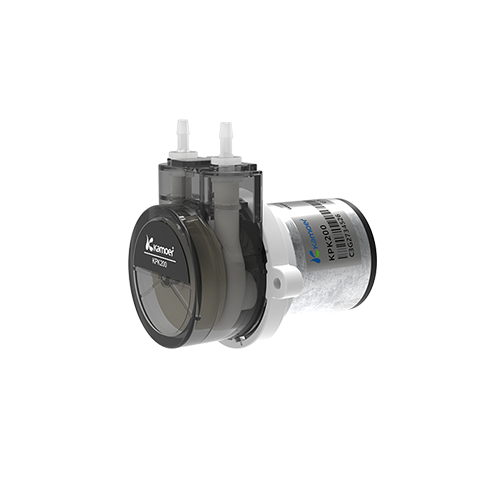
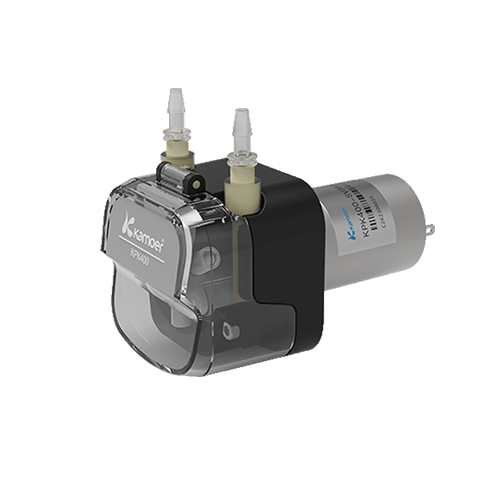
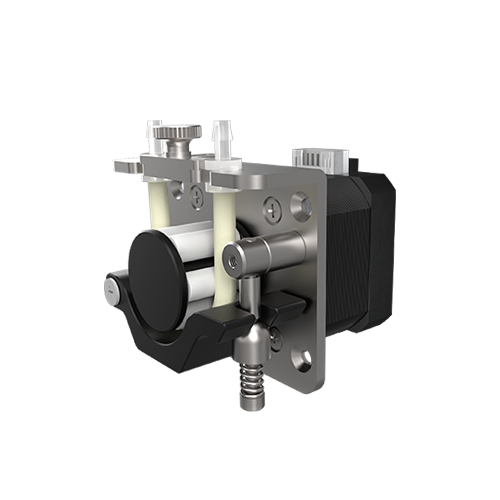
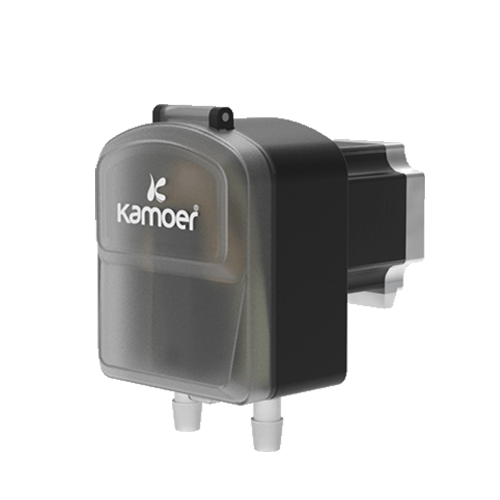
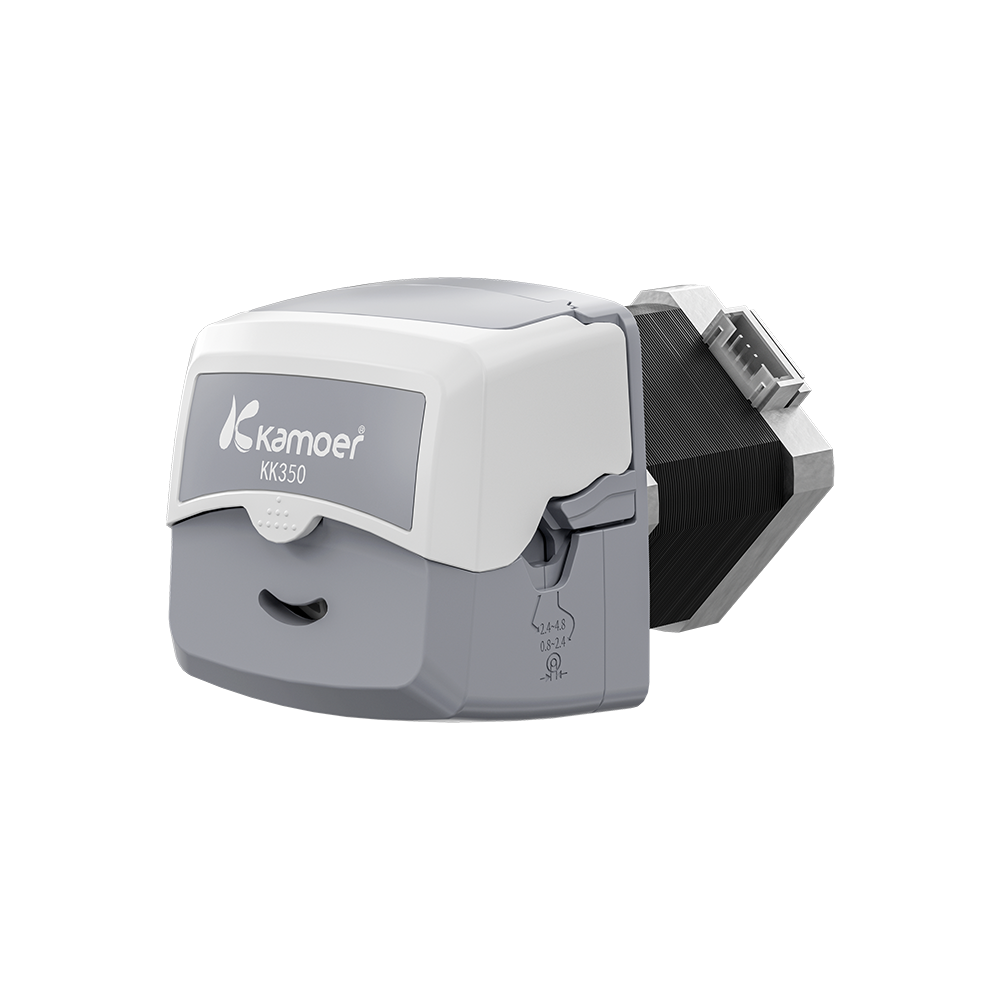
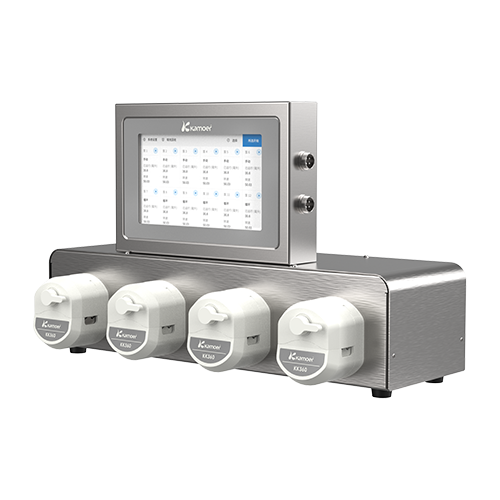
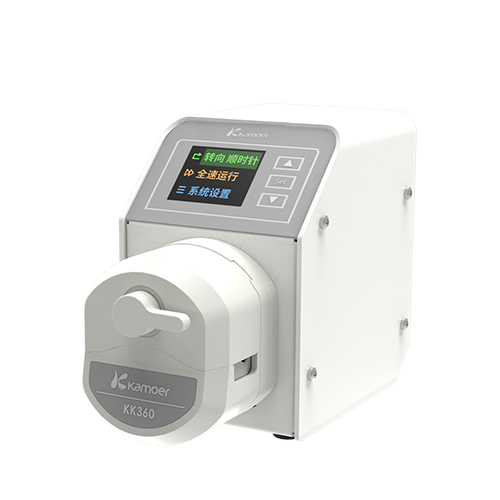
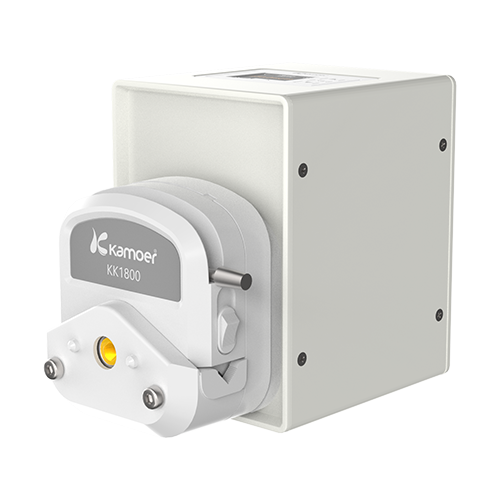
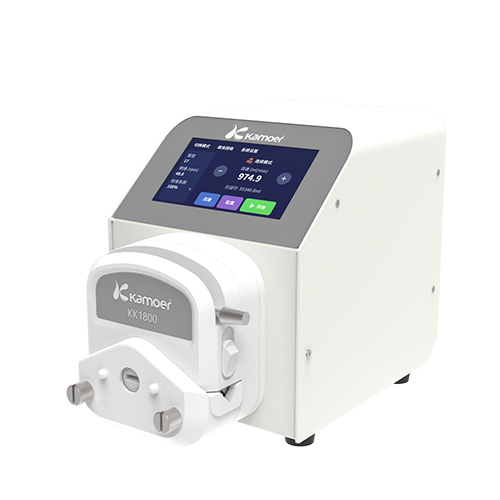
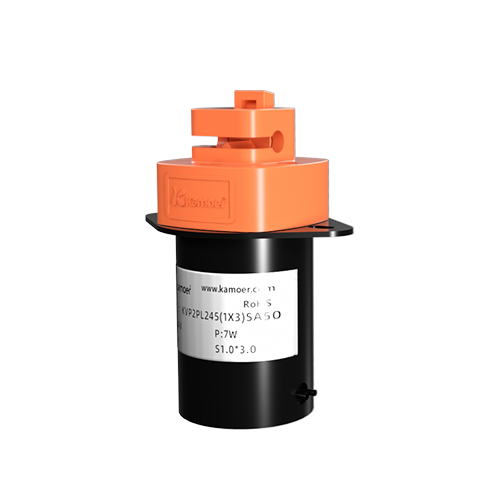
In the total organic carbon analysis instrument, the Kamoer KCS peristaltic pump plays a key role. With precise flow control, low pulsation, and high reliability, the pump plays an important role in effluent treatment and sample sampling.
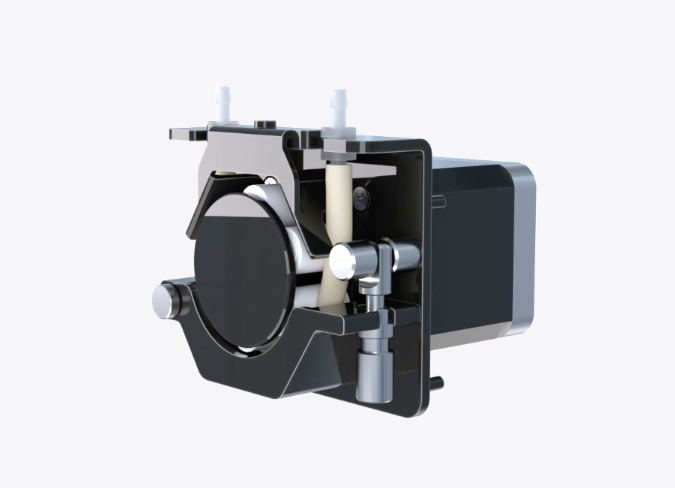
Waste liquid is produced after the sample is digested and oxidized. The KCS peristaltic pump precisely controls the flow of the waste and drains it out of the system, ensuring that the waste is treated and disposed of efficiently and without contamination.
In addition, the KCS peristaltic pump provides high efficiency and accuracy during sample sampling. TOC analysis requires fast sample collection and accurate sampling. The KCS peristaltic pump's high precision flow control and low pulsation characteristics make it an ideal sample collection pump. It can collect samples at a stable rate and ensure the accuracy of sampling, providing a reliable sample basis for subsequent analysis.
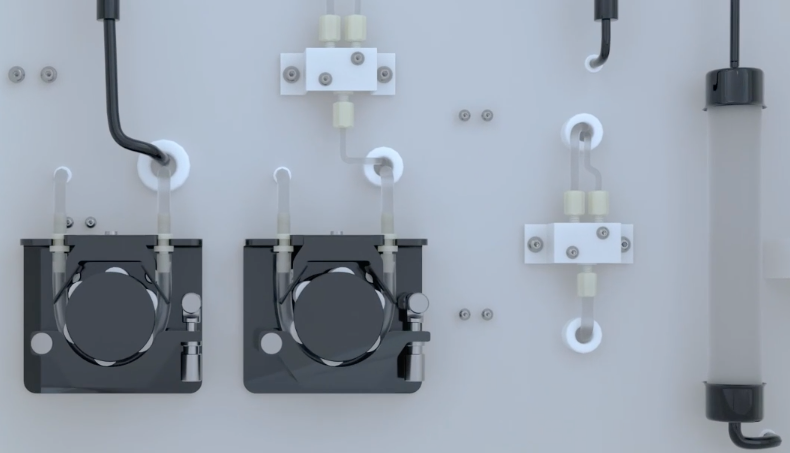
Kamoer KCS peristaltic pumps play an important role in total organic carbon analysis instruments. It efficiently removes waste fluids and ensures that they are treated effectively while providing efficient and accurate sample collection. This makes the total organic carbon analysis process more reliable and precise, providing a reliable tool for environmental protection and quality control. The introduction of the Kamoer KCS peristaltic pump in the total organic carbon analysis instrument not only improves the performance of the instrument but also provides a better analysis experience for the user.
Kamoer has many years of experience in fluid application in medical, laboratory, and other fields, providing many customers with accurate and reliable fluid transmission solutions, and providing competitive high-quality products for many industry segments. Kamoer will provide comprehensive quality assurance, looks forward to bringing you better service!
Related Products